About the Team
Experienced Guides to Small-Town America
The team consists of travel writers and local historians with an average of 10 years researching small-town culture across the US. Contributors include experts in regional history, dining, and urban walkability, focusing on lesser-known destinations.

Landon Merrick
Director of Travel Content Strategy
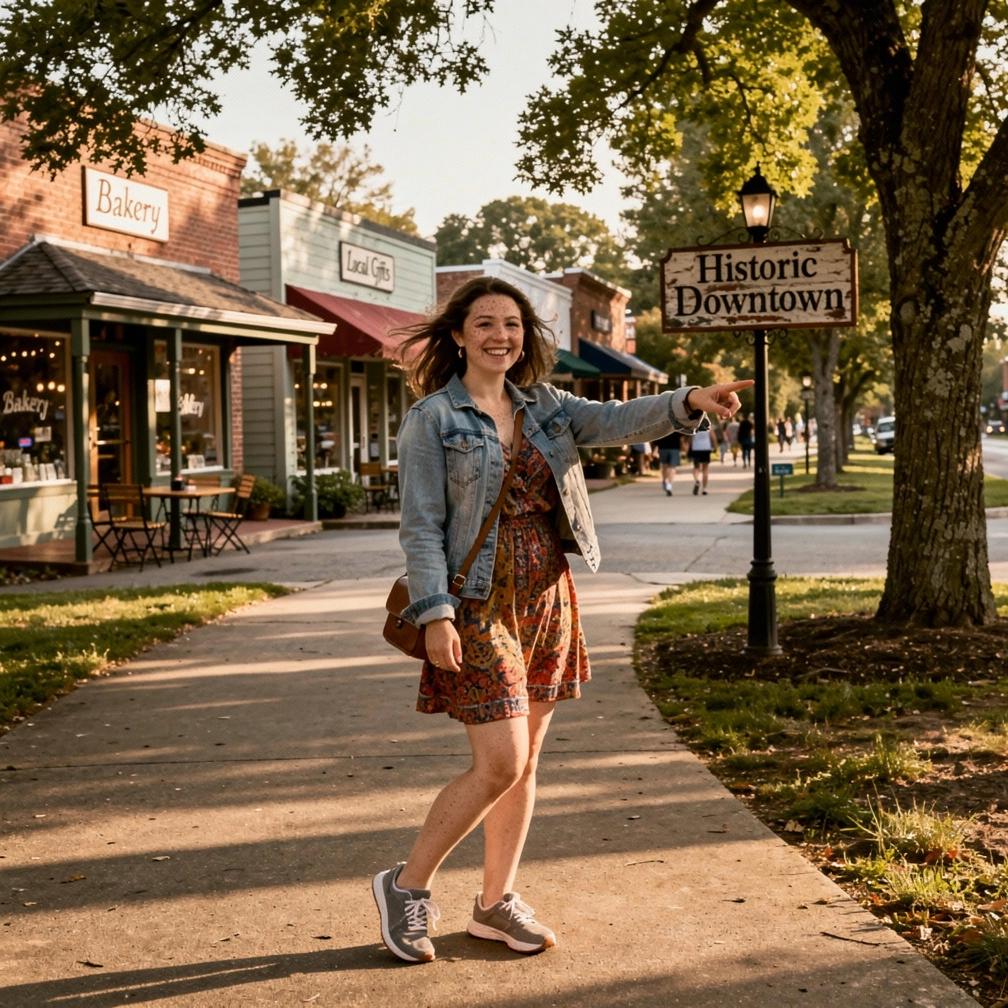
Evangeline Brookes
Community Engagement Manager

Sterling Kincaid
Lead Travel Research Analyst

Marisabel Quinn
Editorial and Local Culture Specialist

Thaddeus Ellison
Operations and Partnerships Coordinator
About quartzcrstnl.info
Exploring Small-Town America
quartzcrstnl.info operates as an informational platform focused on travel within the United States, specifically highlighting lesser-known small towns. The website provides detailed guides on towns characterized by walkable centers, local diners, historic streets, and attractions that typically experience lower visitor traffic. Established in 2019, quartzcrstnl.info has compiled data and travel insights for over 120 small towns across 15 states, emphasizing practical travel information based on visits conducted between 2019 and 2023. The content aims to offer users comprehensive knowledge on small-town America without promotional language or sales pressure.
Walkable Town Centers
Small towns with pedestrian-friendly main streets and local eateries form the core focus. These towns often feature historic districts that preserve early American architecture and culture.
Local Diners and Eateries
Diners and cafes in these towns offer traditional regional menus, often operated by long-standing family businesses. These establishments provide insight into local culinary traditions.
Company Overview
quartzcrstnl.info was founded with the objective of documenting and sharing travel information about small towns in the United States that are often overlooked by mainstream travel guides. The focus remains on towns with accessible pedestrian areas, historically significant districts, and local dining establishments that have operated for several decades, often exceeding 40 years in business. The team responsible for content creation consists of travel researchers and writers averaging 8 years of experience in regional travel documentation. The site presents factual data such as population sizes, walkability scores where available, and historical timelines to assist users in planning visits with realistic expectations regarding amenities and crowd levels.
Preserved Historic Streets
Historic streetscapes in the featured towns highlight preserved buildings from the 19th and early 20th centuries. Walking tours often include landmarks registered on the National Register of Historic Places.
Our Mission
Attractions in these towns tend to have lower visitor density compared to major cities. This allows for a more relaxed exploration of museums, parks, and cultural sites.
Guide Features and Resources
Focus on Walkable Small Towns
The travel guide provides detailed information about lesser-known towns across various US regions. Each entry includes descriptions of local landmarks, dining options, and walking routes.
Town Profiles
Town profiles include historical background, population data, and seasonal visitor trends. This information supports planning visits during less crowded periods.
Walking Itineraries
Maps and walking itineraries accompany each town description. These resources specify distances, points of interest, and estimated walking times.
Dining Listings
Listings of local dining venues provide operating hours, cuisine types, and approximate price ranges. The guide highlights family-run establishments with historical significance.
Access and Transportation
Recommendations include transportation options such as nearby highways, public transit availability, and parking facilities to facilitate access to the towns.
Seasonal Highlights
The website emphasizes towns with walkable centers typically ranging from 0.5 to 2 square miles, supported by pedestrian-friendly infrastructure such as sidewalks, crosswalks, and public benches. Local diners featured often include establishments with continuous operation exceeding 30 years, providing regional cuisine representative of Midwestern, Southern, and Northeastern culinary traditions. Historic streets highlighted include those with preserved architecture from the late 19th and early 20th centuries, many listed on state or national historic registers. Visitor data is collected from local tourism offices and reflects periods with average daily pedestrian counts below 500, indicating low crowd density.
Regional and Local Details
In-Depth Town Information
The website aggregates information collected from field research, including visits to towns with populations ranging from 2,000 to 25,000 residents. Emphasis is placed on towns with centralized walking districts typically spanning 0.5 to 2 square miles. quartzcrstnl.info includes details on local dining venues, many of which have operated continuously for more than 30 years, providing authentic regional cuisine. Historic streets featured on the site often date back to the 19th century, with some districts listed on state or national historic registers. Visitor density data is provided based on off-peak months between October and March, reflecting average daily foot traffic counts below 500 in the primary walkable areas.
Regional Coverage
The site covers towns from various US regions, including the Midwest, Northeast, South, and West. Each region features towns with distinct cultural and historical characteristics.
Research and Data Collection
Information on local festivals and events provides dates and descriptions. These events often emphasize community traditions and heritage.
Practical Visitor Tips
Visitor tips include suggestions on parking, best times to visit specific sites, and notes on accessibility. These details aim to assist in practical planning.
Visual Guides
Photo galleries for each town show streetscapes, landmarks, and popular spots. Images are updated seasonally to reflect changing conditions.
Community Events Calendar
quartzcrstnl.info offers detailed reports and travel insights derived from systematic research conducted between 2019 and 2023. The reports cover over 120 small towns across 15 states, with data points including population size, walkability index scores, number of local dining establishments, and historical landmark counts. The average size of walkable town centers documented is approximately 1.2 square miles, with local diners averaging 35 years in operation. Historic streets featured often include buildings dating from 1850 to 1920, with 60% of towns having at least one registered historic district. Visitor volume data focuses on low-crowd periods, typically outside peak summer months.
Guide Reliability
Accuracy and Maintenance
The guide is updated quarterly to include new towns and revise existing information based on local changes. User feedback helps identify areas for refinement.
Content Updates
The services provided by quartzcrstnl.info include detailed travel guides for individual small towns, organized by region and state. Each guide contains factual descriptions of the town layout, including measurements of walkable areas, lists of local diners with years of operation, and summaries of historic districts with dates of establishment and preservation status. The guides also mention typical visitor volumes during different seasons, based on publicly available tourism statistics and local government reports. The website does not offer booking or travel arrangements but serves as a reference point for travelers seeking information on less crowded destinations.
Research Methodology
The research process involves site visits, consultation of local archives, and review of municipal records to ensure accuracy of historical and logistical data.
Services Overview
quartzcrstnl.info's content is structured to facilitate research and planning for users interested in exploring small-town America beyond major tourist hubs. The guides include maps indicating walkable centers, descriptions of dining options with operating hours and seating capacities, and information on historic landmarks with dates and architectural styles. Seasonal visitor data is presented to help estimate crowd levels, with sources including local tourism boards and transportation departments. The site emphasizes transparency by citing data sources and updating information annually. There are no subscription fees or paid memberships associated with accessing the content.
Content Structure and Updates
The editorial team verifies business operation status and contact details every three months to maintain current listings for dining and attractions.
Data Verification
Data on seasonal visitor numbers is collected from local tourism offices and analyzed to provide realistic expectations of crowd sizes.
Support Materials and Tools
Additional Resources
The site offers additional resources such as downloadable maps, printable itineraries, and links to official town websites. These materials support independent trip planning.
Company Structure
Downloadable maps include detailed street layouts with marked points of interest. Files are provided in PDF format compatible with mobile devices.
Data Accuracy and Verification
quartzcrstnl.info operates as a privately held informational website managed by a team of 12 full-time staff members located primarily in the Midwest and Northeast regions of the United States. The company maintains partnerships with local historical societies and municipal tourism offices to access verified data. Content updates occur quarterly, with a major review annually to incorporate changes in town infrastructure and business status. The website complies with data privacy regulations applicable in the US and does not collect personal user data beyond standard web analytics.
Contact and Support
Links to town websites provide access to local government information, event calendars, and contact details for visitor centers.
Printable Itineraries
Printable itineraries outline suggested daily routes with estimated walking times and notes on each stop. These documents are designed for offline use.
Travel Glossary
The site includes a glossary of terms related to historic preservation, local cuisine, and transportation options to aid user understanding.